

Foundation, Waterproofing & Drainage
Drainage Solutions
Exterior surface and groundwater management, away from the structure.
Most basement and crawl-space water problems begin outside the building. Drainage work is exterior site work: intercepting surface and groundwater, collecting it, and discharging it somewhere away from the foundation. Before water can be kept out of a structure, it has to have somewhere else to go.
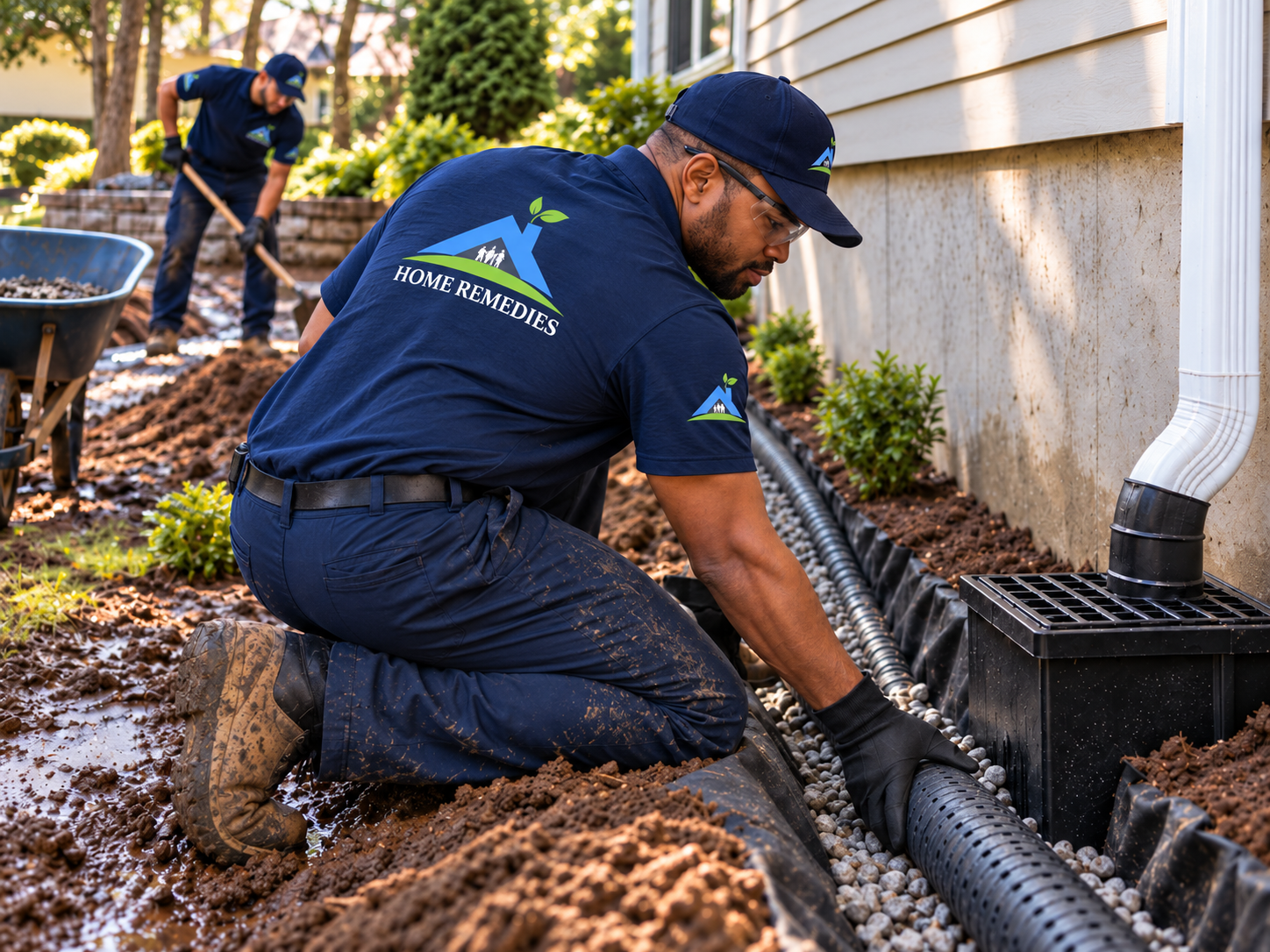
Subsurface and groundwater interception
- French drains to collect and redirect subsurface water
- Curtain drains to intercept groundwater moving toward the structure from uphill
- Catch basins and area drains at low points and hardscape collection areas
- Solid conveyance piping and discharge routing to a suitable outlet
Surface, roof and landscape water management
- Grading correction so soil falls away from the foundation
- Swales to move surface runoff along a controlled path
- Gutter leader, downspout extension, burial and discharge relocation
- Erosion and runoff control at slopes, beds and hardscape edges
- Window well and areaway drainage
How this differs from Basement & Foundation Waterproofing
Drainage keeps water away from the building. Waterproofing treats the building envelope where water is still arriving at it. On many properties the right sequence is drainage first, because reducing the volume of site water often reduces — and sometimes eliminates — the waterproofing scope. We scope the two together and tell you which one is doing the real work.
How we scope drainage
We look at where the water comes from, how much of it there is during a real rain event, where it can legally and practically be discharged, and what the site will allow. The recommendation follows those facts rather than a standard package.
Documentation
See documented project work
Photographs from completed and in-progress Home Remedies projects are published in the Project Library.
Conditions this service addresses
Illustrative reference imagery of these conditions — not Home Remedies project work. Completed Home Remedies projects are published in the Project Library.
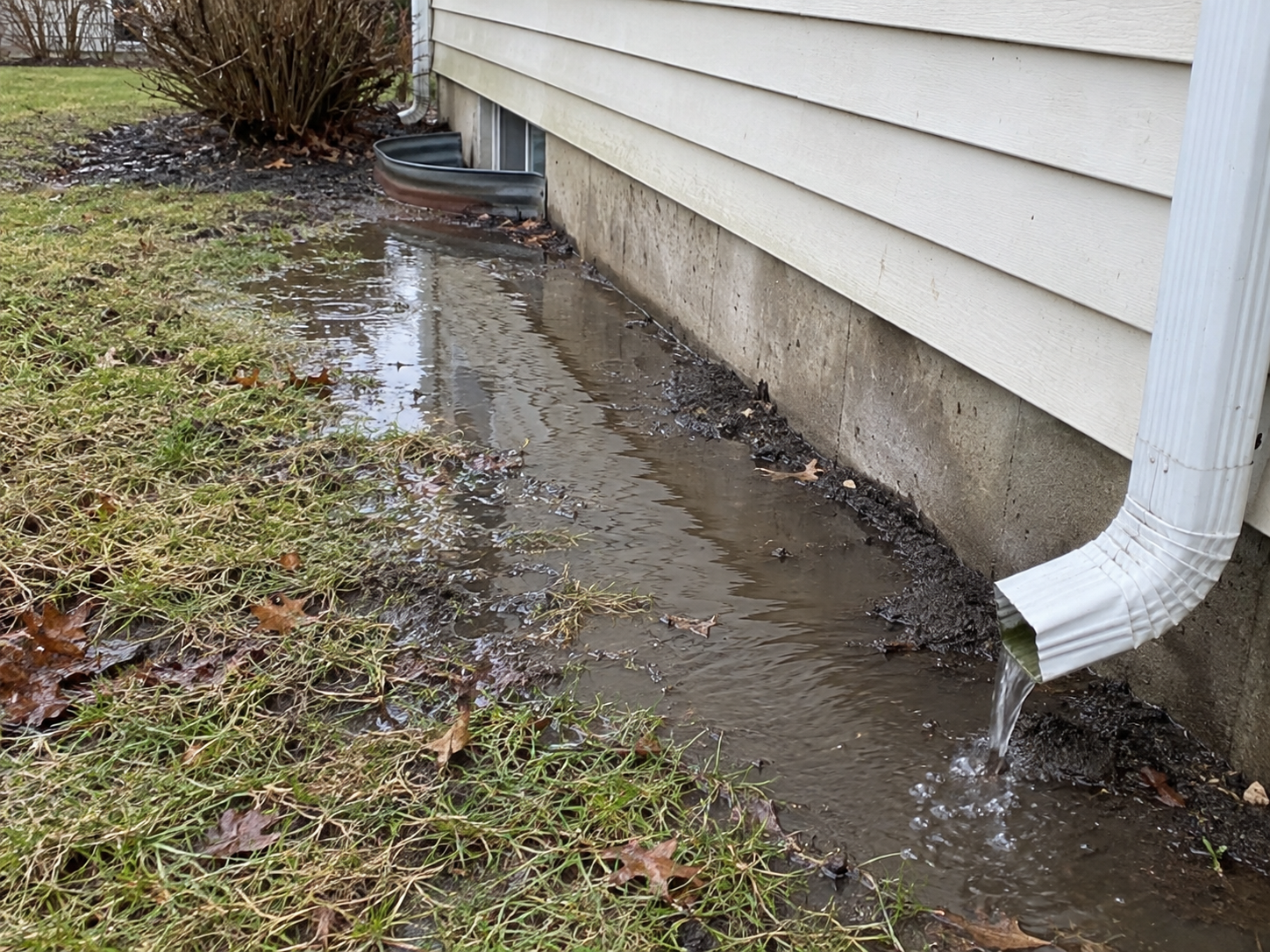 Illustrative reference
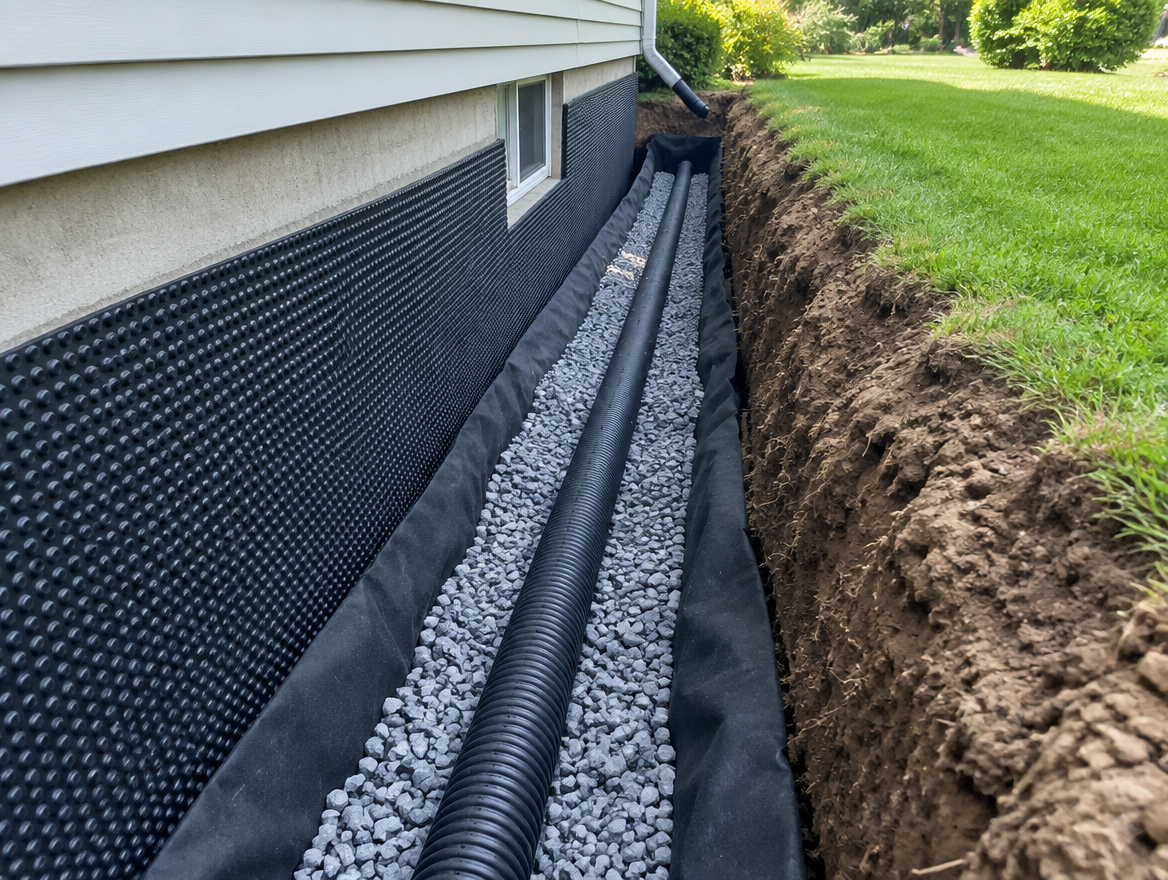 Illustrative reference
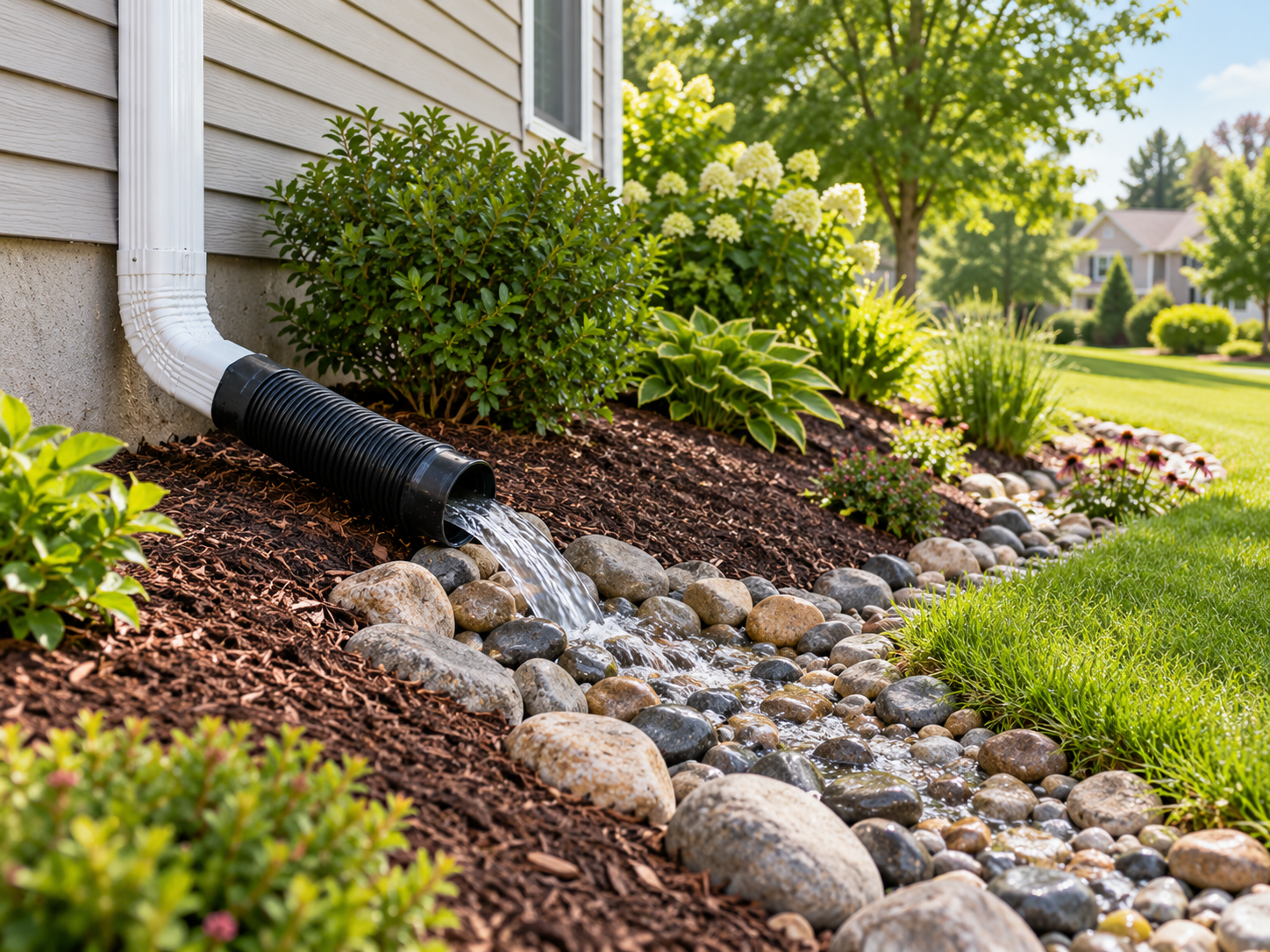 Illustrative reference
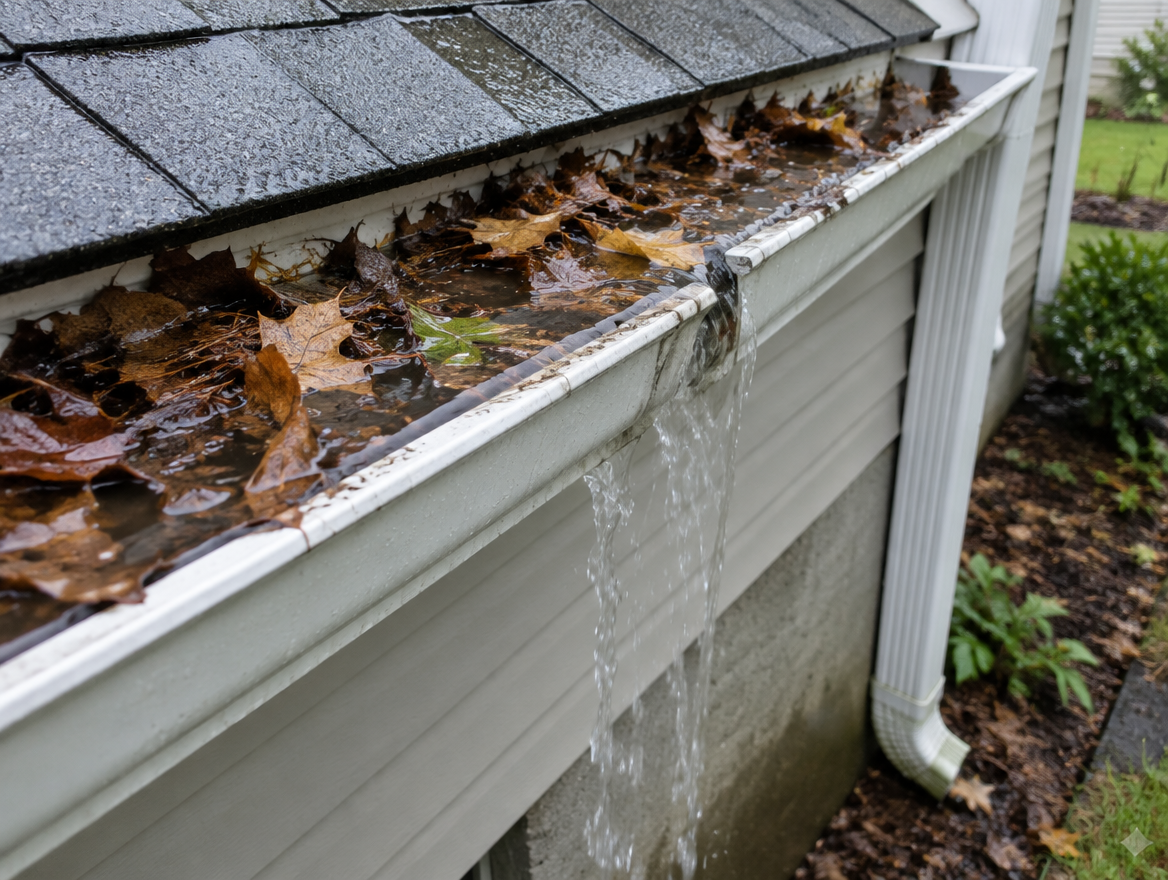 Illustrative reference
Questions
Frequently asked
Related
Work that often goes with this
Basement & Foundation Waterproofing
Below-grade water entry, treated at the building envelope.
Learn more →Crawl Space Encapsulation & 20-Mil Vapor Barriers
A sealed, serviceable, inspectable crawl space.
Learn more →Building Moisture Consulting™
For the water problem nobody has been able to explain yet.
Learn more →Water problem? Start with an inspection.
Tell us what you are seeing and we will investigate the moisture source, document conditions, and put a written scope in your hands.
Active water loss or urgent intrusion? Call rather than submit a form so we can triage it directly.